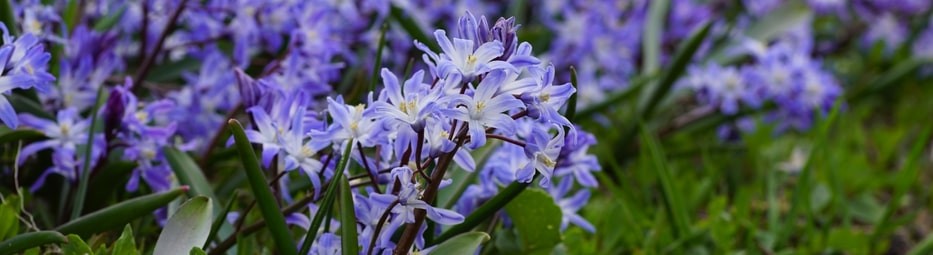
These Specialty flower bulbs are ideal for naturalising. They return annually. All the varieties grown certified organic. Deliveries between september and november.
As well as the familiar tulips, daffodils and crocuses, the bulb-growing region is home to a whole world of unusual varieties. Think of the round flower heads of allium, which rise above the border like little bursts of fireworks, or smaller, wild varieties such as muscari, chionodoxa and fritillaria – bulbous plants you won’t find in every garden, but which have just as much character. At Natural Bulbs, all bulbs are 100% organic, grown without artificial fertilisers or chemical pesticides. This is good for the bulb, for the soil and for all the life around it.
From allium to muscari: something special for every spot
The range is extensive, and that’s precisely what makes it so charming. If you want height and a bold statement in your border, opt for an allium such as Purple Sensation or the imposing Mount Everest. If, on the other hand, you’re looking for something small and delicate for the front of the border or amongst your spring-flowering perennials, then muscari, chionodoxa and fritillaria are lovely choices. Some varieties, such as Ipheion and the smaller allium varieties, also thrive in a pot on your balcony or terrace.
Special, but not difficult
Don’t let the name put you off: specialty bulbs are generally just as easy to plant as their better-known relatives. Most varieties are hardy, require little maintenance and are ideal for naturalising – once planted, they spread of their own accord. What’s more, a large proportion of the range is popular with bees, making these bulbs a lovely addition to a garden that thrives for both people and insects.
Frequently asked questions about specialty bulbs
When should you plant alliums and other specialty bulbs? Most specialty bulbs are planted in the autumn, from September to November. Alliums are best planted a little later, in October or November, to prevent the bulb from sprouting too early in the year.
When do alliums and the other varieties in this category flower? This varies by variety. Muscari, chionodoxa and fritillaria flower early, often as early as March and April, alongside daffodils and hyacinths. Most allium varieties flower later, from May through to July, thus nicely bridging the gap between spring-flowering and summer-flowering plants.
Do specialty bulbs return every year? Yes, most species in this category are hardy and perennial. If you let the foliage die back naturally after flowering, the bulbs will simply bloom again in subsequent years, and many varieties will even naturalize on their own, forming an increasingly lush display.
Are these specialty bulbs suitable for a pot or balcony? Absolutely. Smaller varieties such as muscari, chionodoxa and ipheion thrive in pots, provided there is good drainage. When it comes to the larger allium varieties, it’s best to choose a more compact variety so that the proportions remain balanced with the pot.
Are these bulbs bee-friendly? Yes, a large part of the range – including virtually all Allium varieties – is popular with bees and other pollinators, precisely because they flower at times when there is less available elsewhere in the garden.
What is the difference between Allium and other specialty bulbs? Allium, or ornamental onion, is the best-known and most distinctive species in this category: tall, with round flower heads. The other specialty bulbs, such as muscari and fritillaria, are generally smaller and flower earlier in the spring – ideal for combining with allium to extend the flowering period.