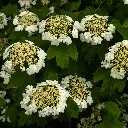
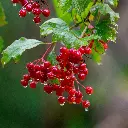
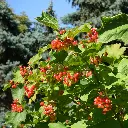
Guelder Rose - Viburnum Opulus - P15 - ORG
Reference: X8101
White spring flowers, brilliant red berries and rich fall color
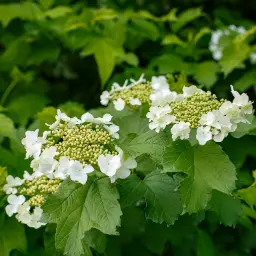
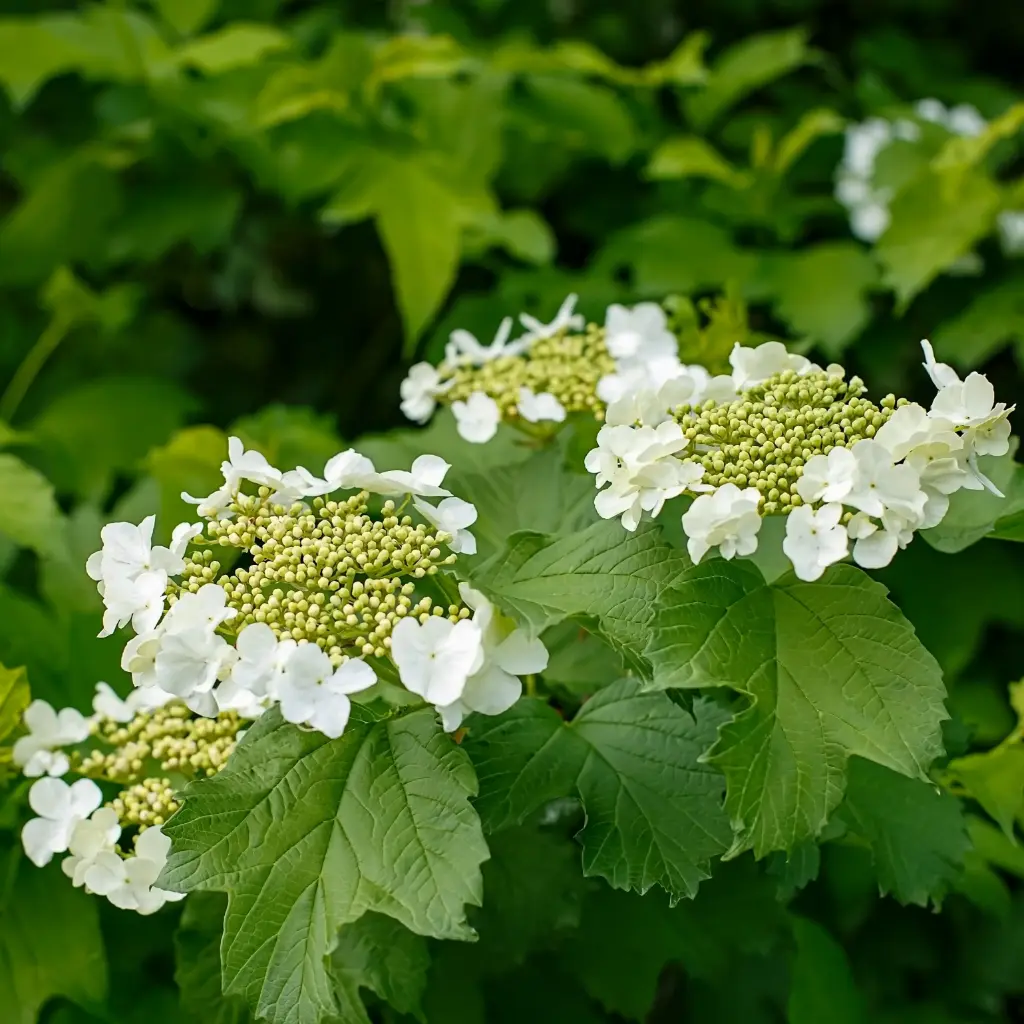
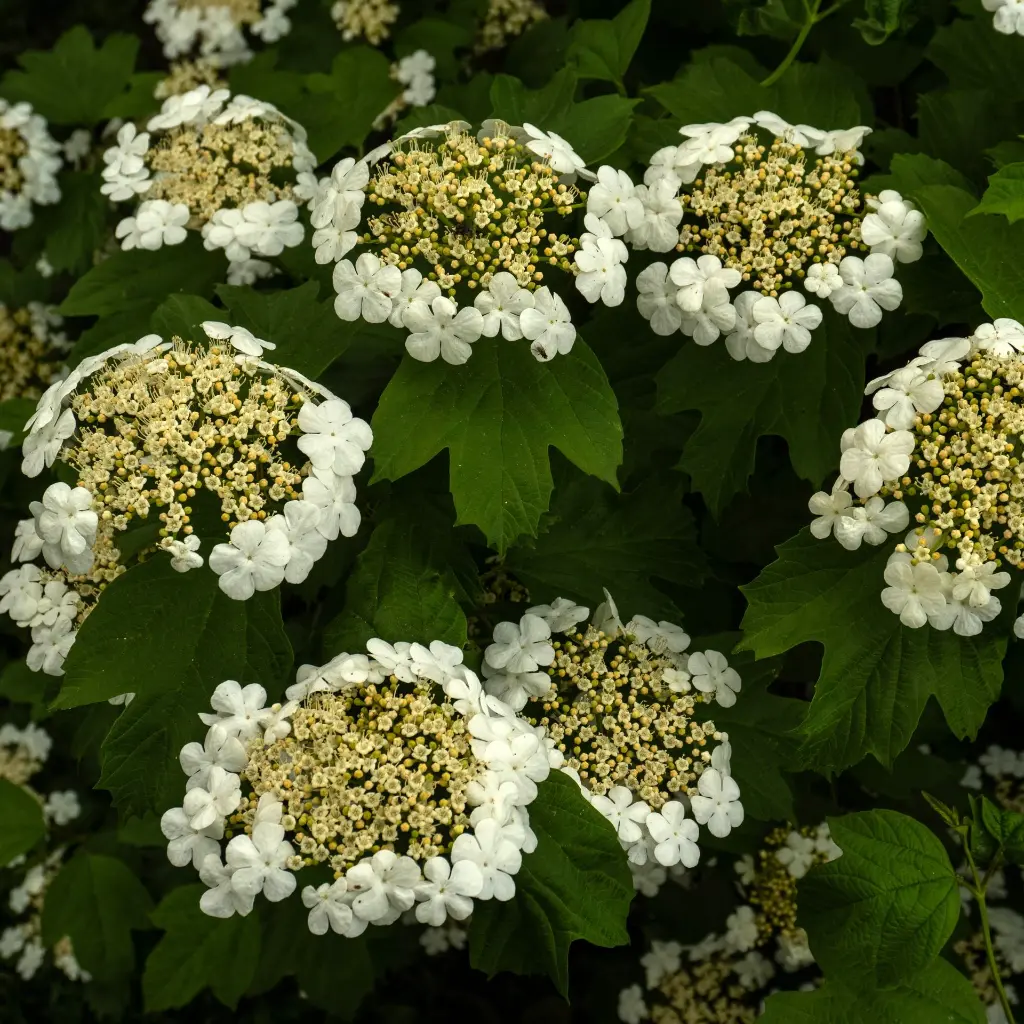
- Multi-season deciduous shrub with white lacecap flowers
- Flowers provide nectar and pollen for pollinating insects
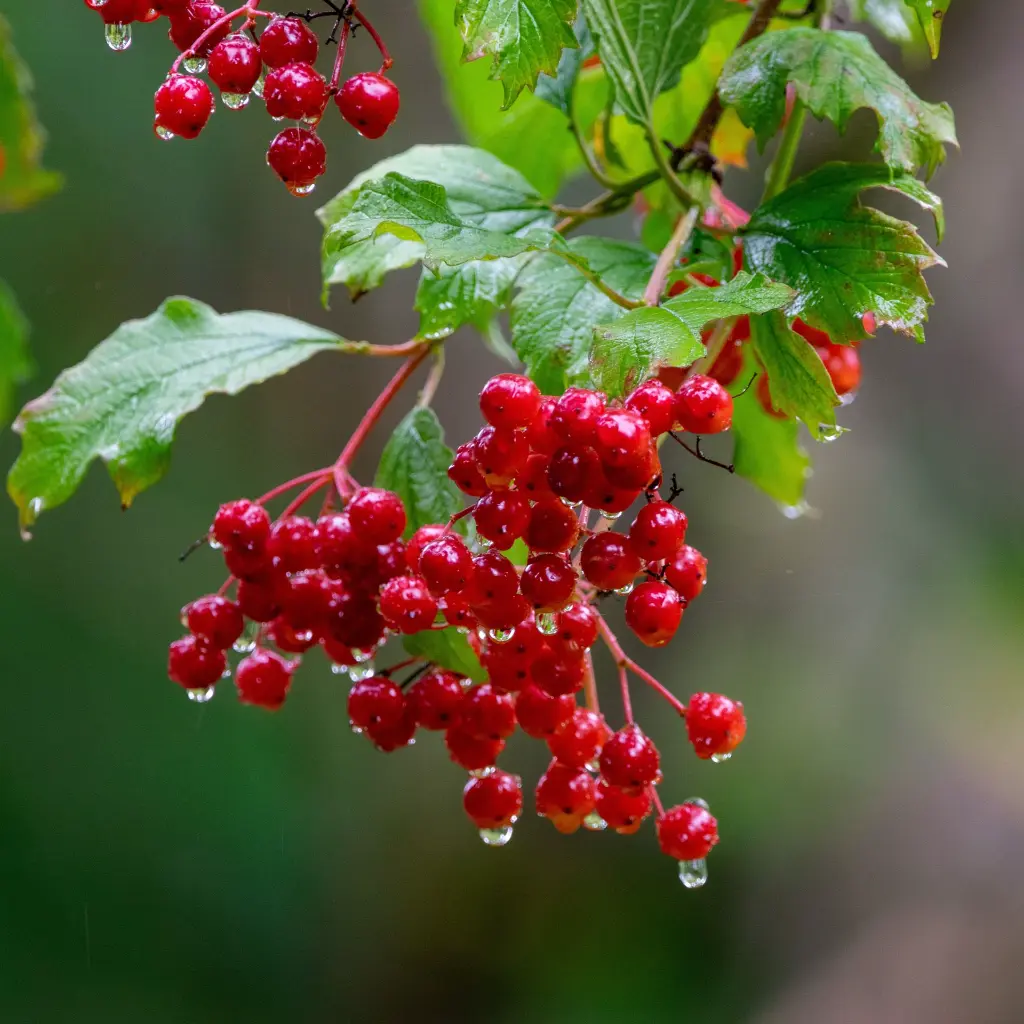
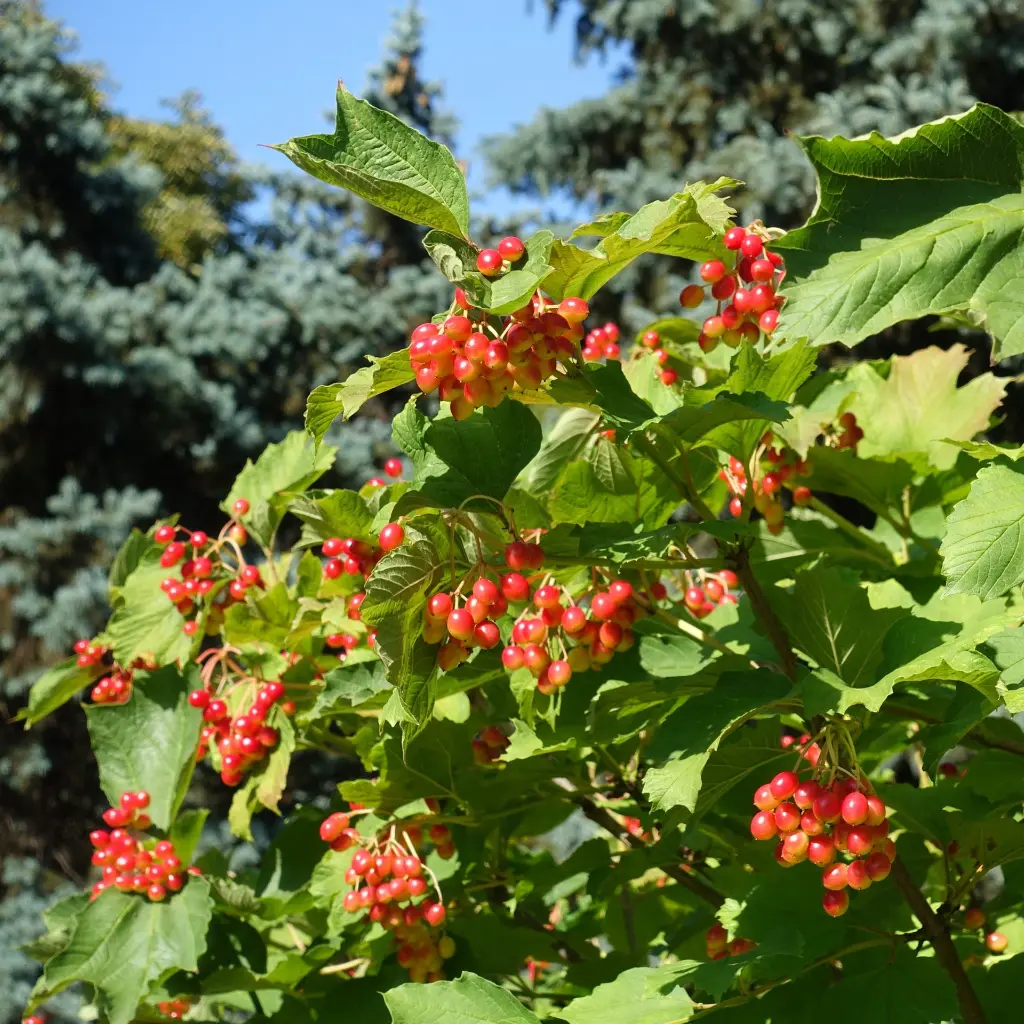
- Bright red ornamental berries attract birds
- Maple-like foliage develops red to purple fall color
- Grows well in full sun to partial shade
- 100% organically grown
Read more
Features
Order now, delivery within 1-6 working days

Natural Bulbs
-

100% Organic NL-BIO-01
Detail
Viburnum opulus, commonly known as European cranberrybush or guelder rose, is a large deciduous shrub with something interesting to offer through several seasons. In late spring to early summer, broad clusters of white lacecap-style flowers appear. Small fertile flowers in the center are surrounded by larger white sterile florets, creating an elegant, natural-looking display. The flowers attract pollinating insects, and later in the season clusters of glossy, translucent red fruit develop. These ornamental berries can remain on the shrub into winter and provide food for birds. The show continues in fall, when the maple-like green leaves develop attractive shades of red, pink and purple.
A substantial shrub for naturalistic landscapes
European cranberrybush develops into a vigorous, bushy shrub. Mature plants commonly reach around 10 to 15 feet tall and can become similarly broad when given plenty of space. It works beautifully in a mixed shrub border, wildlife garden or informal hedge. Plant in full sun or partial shade. The shrub performs particularly well in fertile, humus-rich soil that remains consistently moist but drains well. Your organically grown Viburnum opulus is supplied in our Generous container (P15), giving you a well-established young shrub ready to continue developing after planting.
Are Viburnum opulus berries edible?
We recommend treating the bright red fruit as ornamental berries rather than food for people. Leave them on the shrub and they provide both seasonal color and a useful food source for birds.
How do you prune European cranberrybush?
Viburnum opulus generally requires little pruning. Allow young shrubs to develop their natural framework and remove only dead, damaged, crossing or poorly positioned branches. If shaping is needed, light pruning can be done immediately after flowering. There is an important trade-off, however: the red fruit develops from those same flower clusters. Removing spent flowers also removes the developing berry crop. If fall berries and wildlife value are a priority, keep pruning to a minimum. Older, congested plants can be rejuvenated by gradually removing some of the oldest stems rather than shearing the entire shrub.
Alternative Products
Specifications
| Dimensions | |
|---|---|
| Height | 100-120cm | 120-140cm |
| Flower size | 5-10 cm |
| Pot size | P15 |
| Ecological | |
|---|---|
| Naturalising | No |
| Perennial | Yes |
| Native to | Asia | Europe |
| Colour, scent & traits | |
|---|---|
| Colour | Cream |
| Scented | No |
| Suitable for | Bee Friendly |
| When | |
|---|---|
| Delivery period | March-May | Sep-Dec |
| Planting season | March - May | September - November |
| Flowering period | 5. Late Spring (May-June) |
| Planting instructions | |
|---|---|
| Prefered location | Sun or partial shade |
| Hardiness | Hardy in most zones |
| Planting distance | 100 cm |
| Planting depth | Pot depth |
| Plant density | 1 per m² |
| Other | |
|---|---|
| Certification | ORGANIC NL-BIO-01 |
| Grower | Koperwiek |
| Group | Viburnaceae - moschatel family |
| Delivered as | Rooted plant in a 15 cm pot |
| Brand | Natural Bulbs |