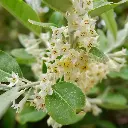
Autumn Olive Amber - Generous - ORG
Reference: F1019
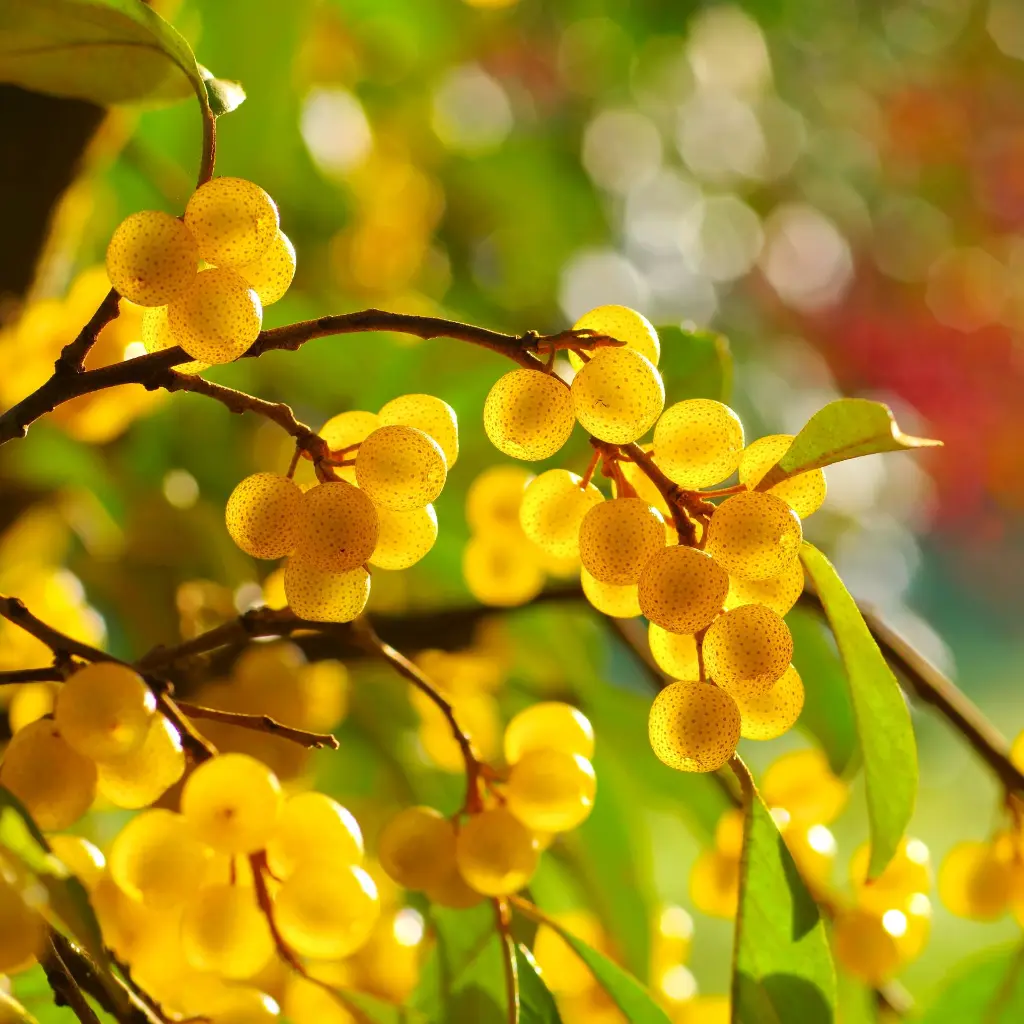
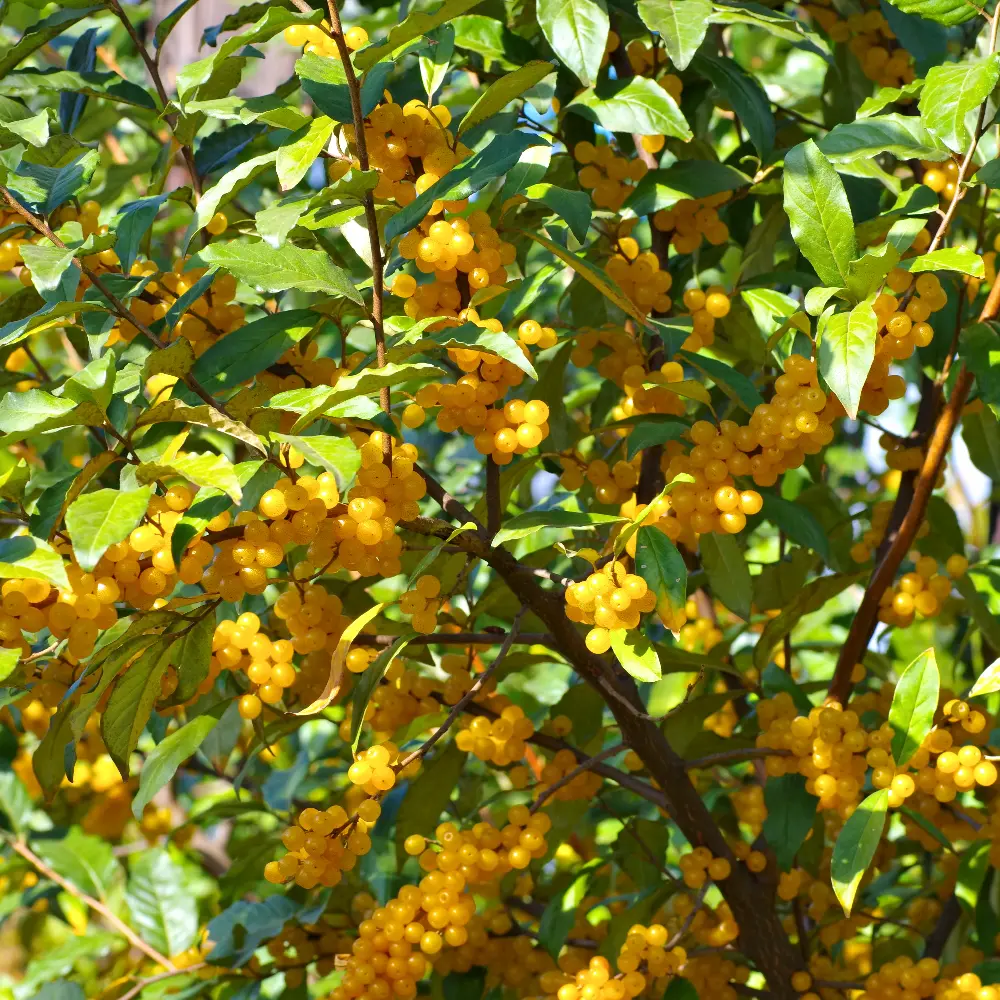
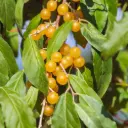
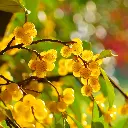
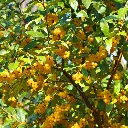
Fragrant spring flowers followed by golden-yellow edible fruit
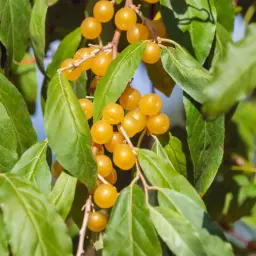
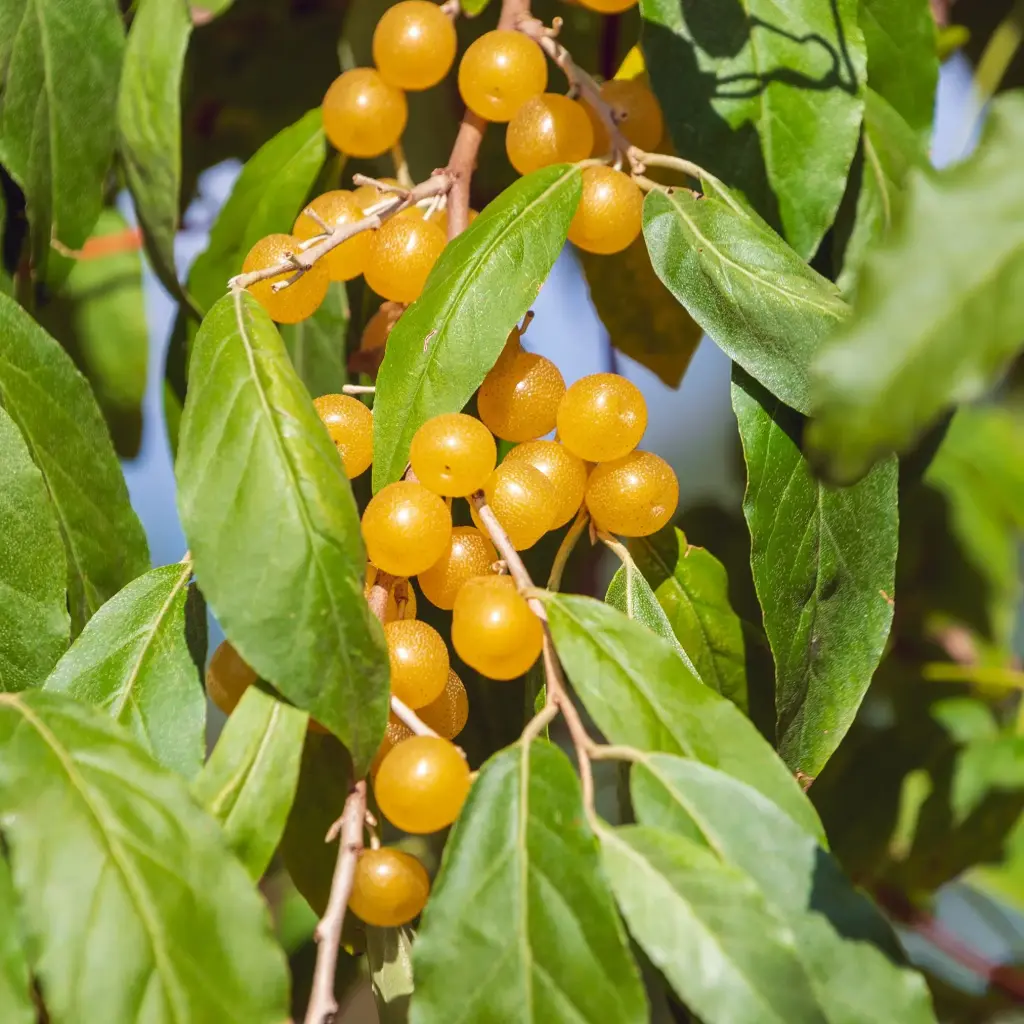
- Distinctive cultivar with yellow to golden-yellow edible fruit
- Aromatic fruit with a fresh, sweet-tart flavour
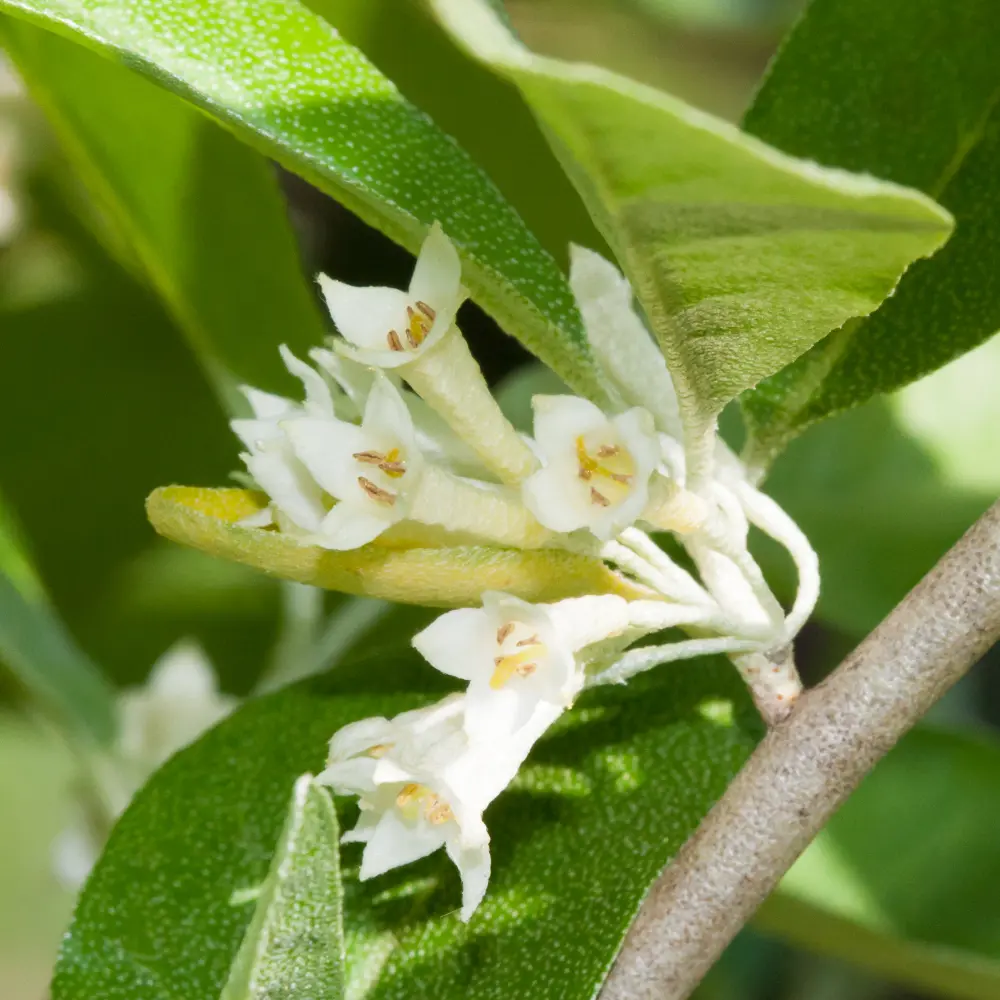
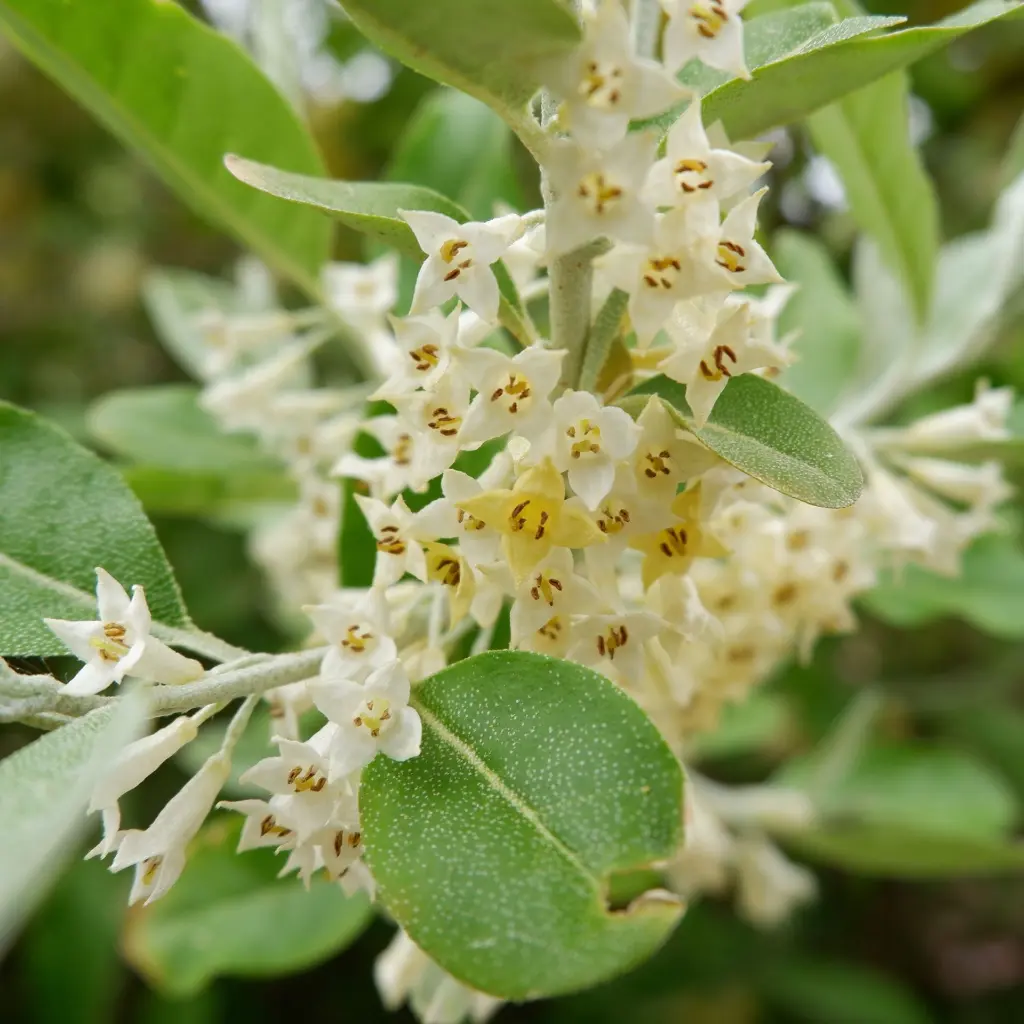
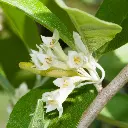
- Small fragrant flowers in spring
- Suitable for sun or light partial shade
- A useful addition to edible gardens, mixed hedges and forest gardens
- Organically grown
Read more
Features
Order now, delivery within 1-6 working days

Natural Bulbs
-

100% Organic NL-BIO-01
Detail
An ornamental shrub with an edible harvest
Elaeagnus umbellata ‘Amber’ is a deciduous shrub combining attractive foliage with an unusual edible crop. The leaves are green above and characteristically silvery underneath, creating a beautiful contrast when they move in the breeze. Small, pale and fragrant flowers appear in spring and attract visiting insects. ‘Amber’ really stands out when its fruit begins to ripen. Unlike the red fruit associated with many forms of autumn olive, this cultivar produces yellow to golden-yellow fruits. They generally ripen in September and October and have an aromatic, pleasantly fresh, sweet-tart flavour. Enjoy them straight from the shrub or use them for preserves, juice or compote.
A versatile shrub for a sunny position
Plant ‘Amber’ in full sun or light partial shade. It grows best in well-drained soil and, once established, is reasonably tolerant of dry conditions. Water young plants regularly after planting while they establish their root system. Its combination of attractive foliage and edible fruit makes ‘Amber’ at home in an edible garden, natural mixed hedge or forest garden. Pruning is mainly useful when you want to control the shrub’s size or shape. For more reliable and abundant fruit production, we recommend growing another cultivar of Elaeagnus umbellata nearby to encourage cross-pollination.
Pruning and care
Autumn Olive ‘Amber’ requires very little pruning. If you want to maintain its shape or control its size, prune after harvesting or in late winter. Remove dead, damaged and crossing branches, and thin out older shrubs if necessary to allow more light and air into the centre. Avoid heavy pruning, as flowers and fruit develop on older wood. Cutting back too much may reduce the following season's harvest.
Specifications
| Dimensions | |
|---|---|
| Height | 200-300cm |
| Flower size | <1 cm |
| Pot size | P15 |
| Ecological | |
|---|---|
| Naturalising | No |
| Perennial | Yes |
| Native to | East Asia | Central Asia |
| Colour, scent & traits | |
|---|---|
| Colour | White |
| Scented | Strong |
| Suitable for | Edible parts | Bee Friendly |
| When | |
|---|---|
| Delivery period | March-May | Sep-Dec |
| Planting season | March - May | September - November |
| Harvest time | September - October |
| Flowering period | 4. Middle - late Spring (Apr-May) |
| Planting instructions | |
|---|---|
| Prefered location | Sun or partial shade |
| Hardiness | Hardy in most zones |
| Planting distance | 100 cm |
| Planting depth | Pot depth |
| Plant density | 1 per m² |
| Other | |
|---|---|
| Certification | ORGANIC NL-BIO-01 |
| Grower | Koperwiek |
| Group | Elaeagnaceae | Fruit |
| Delivered as | Rooted plant in a 15 cm pot |
| Brand | Natural Bulbs |